
The Daily Mail’s usually pitch-perfect sense of what its audience wants to hear hit a bum note a while ago with an article about middle class workers who used to earn £80k+ and are now wondering where the next set of school fees is going to come from. The Guardian did the same thing a few weeks earlier with a similar piece looking at couples wondering how they can manage the child care and pay the au pair as they look forward to a future without a decent pension. In both cases the comment threads were full of people pointing out that reality for most people doesn’t involve school fees, multiple foreign holidays or domestic help; that no-one has a good pension these days and that our correspondents should just get over themselves.
If you read the papers regularly you could be forgiven for thinking that “middle class” in this county covers people on incomes between about £30,000 and, say £100,000. It’s no doubt coloured by journalists – who tend to be well paid – assuming that they represent the hard-working norm. For the record, the Office for National Statistics reckons that median pay for a man in 2009 was a smidge over £25k; for a woman, a whisker above £22k. Despite what the Daily Mail says, the real middle class is not going to worry about having a cap of £50k put on its pension contributions.
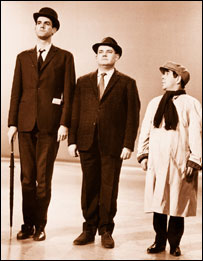
Who the middle classes are – and what they earn – is now a matter of serious debate , as the government changes child benefit, university tuition fees and pensions (I note that outrage about cuts to housing benefit has been more muted, presumably because lots of journalists get child benefit while few need help with the rent). It’s making me wonder, again, about how we define class in this country (why it matters – if it does – is another post entirely). Is it based on earnings and does it change as disposable income waxes and wanes?
As I sail, seemingly unstoppably, towards the ranks of the new poor (Christmas may be coming, but this goose ain’t getting fat), do I still count as middle class because of my degree, the careers I’ve pursued, the food I eat and the fact that I don’t hold my knife like a pencil to eat it? Or am I now one of the undeserving poor? Should I have known this was going to happen before I so recklessly had my children? Should I be worried that Jeremy Hunt might try to re-possess them?
 Sole Trader PR