
 I’m starting a project with a local secondary school trying to raise enthusiasm for reading among the incoming Year 7s. It’s a classic social marketing project: promoting something – reading – that requires action from its audience of 11 and 12-year olds. I’ve started doing some desk research, but so far I’m raising more questions than I’m answering:
1. Where’s the advice for parents of older children who’ve slipped through the net? There’s lots of advice for parents of young children, but I’m thinking about kids for whom nursery rhymes and bedtime stories are in the past – if they ever happened at all. Is there a secondary school equivalent of the summer reading challenge for ages 4 – 11? If not, why not?
2. Where has all the content gone? What’s happened to the advice that used to sit on government websites about parental engagement? Content was rationalised when DirectGov was set up, and snapshots of government websites have been archived, but I can’t find stuff that I know the DfES used to carry for schools and parents.
3. Is anyone asking children what they want to read? I have some hunches about children and reading, based on observation of my own children and their friends – hardly a scientific sample. Can anyone tell me if I’m right that we’re recommending too narrow a choice of books?
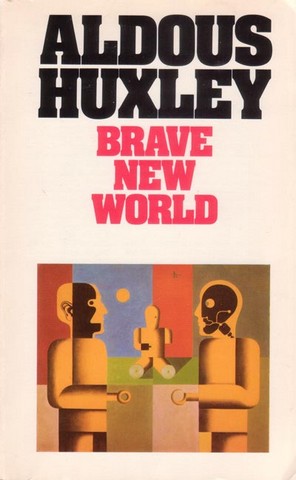
- Boys seem to prefer reading non-fiction, but there’s only one non-fiction title in this typical recommended reading list and no non-Western authors. Michael Morpurgo compiled a list for the Telegraph of 100 books every child should read, which is dominated by classic fiction. This list from the Literacy Trust mixes fiction with non-fiction in a wider mix than anything else I’ve seen, but I sense that Michael Gove is more in tune with the Telegraph than the Trust.
- Boys like sport – so how about a school subscription to Match of the Day magazine? What alternatives are there?
- Kids like the linear format of comics – so how about some graphic novels like this? Is Asterix too weird to be peddled to youngsters these days? (I asked about graphic novels at the school and was told that they are going to get more graphic novel versions of Shakespeare – this may not do it…)
4. Is it worth thinking about new media or audio books as ways to get children hooked on stories and reading for themselves (or, as Problogger put it, should kids blog?)
5. Could schools stop calling it literacy and start calling it reading? Literacy very definitely doesn’t sound like something you’d want to do at home…
The big question is how to make reading into more than just the refuge of the nerdy. I agree with Michael Gove that children should read more books – for the sake of their hearts and souls as well as their education. How do you get them to want to? I’m genuinely interested in any suggestions or experience anyone out there can pass on. Please do leave a comment or reach me on Twitter – I need your help!

 Sole Trader PR